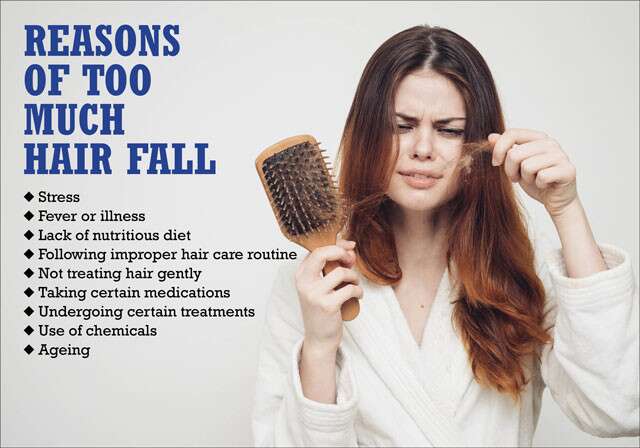
Alopecia areata is an autoimmune condition that causes your immune system to attack hair follicles, resulting in bald patches that can range from small to large. Telogen effluvium is usually a temporary condition that resolves over time, but it is advisable for people to contact a doctor to determine the cause. A doctor may need to treat the underlying cause of the condition to reduce hair loss. The condition is more likely to occur as a person ages, but it can start at any point after puberty.
Hair Shedding vs. Hair Loss
Hormonal changes of any kind, particularly falling estrogen levels, can temporarily disrupt the hair life cycle. It can show up if you wear tight braids or ponytails every day or regularly wear hair extensions or weaves. These styles tug on the hair roots, damaging the hair follicles over time. This is true for damaged hair follicles from too-tight hairstyles, damaged hair follicles from chemicals applied to the hair, and damages caused by certain autoimmune diseases. Female pattern baldness often results in thinning all over the scalp and might look like widening or thinning around the part. It typically occurs after age 65 but, for some females, it can begin early in their lives.
Medication
Male-pattern baldness is typically inherited and can start at any age. Some men may only get a receding hairline while others may lose all of their hair. Female-pattern baldness usually begins with thinning at the part and then thins all over the rest of the head.
Use over-the-counter hair loss medication
Hair loss, or alopecia, is when your hair starts to thin, gradually shed, or fall out in clumps. Sudden hair loss can be temporary, due to stressors, hormonal changes and other environmental factors. However, hair loss can also be permanent depending on the cause and how it affects the hair growth cycle. Baldness typically refers to excessive hair loss from your scalp. Hereditary hair loss with age is the most common cause of baldness.
Does Creatine Cause Hair Loss? - Men's Health
Does Creatine Cause Hair Loss?.
Posted: Tue, 05 Mar 2024 08:00:00 GMT [source]
They may do a pull test to see how many hairs come out, and examine your scalp with a microscope. Let’s look at a wide range of potential causes of hair loss in teenagers. Tell them if your hair loss is affecting your wellbeing, and ask what treatments are available. You might love the way your hair looks after using your curling iron or straightener, but the damage it causes might leave your hair thinning. James warns that setting your tools to 450 F or higher or keeping your hair on the hot tool for too long can burn your hair and potentially cause it to break off. It is intended for general informational purposes and is not meant to be a substitute for professional medical advice, diagnosis, or treatment.
Are hair loss shampoos and at-home treatments effective?

Hair naturally starts to thin and growth starts to slow down as you age. Age-related hair loss differs from hair loss caused by an increase in androgens because it is not influenced by hormones. Instead, aging causes your hair follicles to eventually stop growing hair. Going gray also changes the structure of your hair as it loses pigment that gives you hair color. The result is graying hair that eventually turns into fine, white hair.
This type of hair loss is a temporary condition and usually resolves within a year or sooner. Most baldness is caused by genetics (male-pattern baldness and female-pattern baldness). Sometimes, large doses of stress can make your body’s immune system turn on itself and attack your hair follicles. Lots of worry and anxiety can also pause your hair growth, which makes hair more likely to fall out when you brush. Excessive hair fallout from taking medication is usually temporary. Hair may stop shedding when you stop taking the medication.
Risk factors
But some factors may make a woman more likely to experience hair loss. Poisons that can cause hair loss include arsenic, thallium, mercury, and lithium. If you ingest a large amount of warfarin, which is found in rat poisons, it can also cause hair loss. Taking large amounts of vitamin A or selenium is also toxic and can cause hair loss.
The fungus attacks hair follicles and hair shafts on the scalp, and sometimes, the eyebrows, and eyelashes. Tinea capitis mostly affects children between the ages of 3 and 14, but it can affect any age group. You often hear about vitamin D deficiencies in the winter months, especially in darker climates, because the vitamin mostly comes from sun exposure. The good news is that it’s reversible when levels get back to normal, explains William Yates, M.D., FACS., a hair transplant surgeon. Because these symptoms occur in many other conditions, lupus is often called the great imitator. You’ll notice if you start to lose weight quickly (typically defined as losing more than 5 percent of your weight in six months to a year).
"The most obvious reason to get help early is that hearing problems can get worse if you ignore them," a WebMD article warns. Hair fall due to breakage has more to do with habits than genes, and therefore, good news, is totally within your control. Try co-washing on your off-days, use a thermal protectant before every blow-dry or hot iron session and be extra gentle detangling your strands when they’re wet. A weekly deep condition can also help fortify strands and improve their moisture levels.
Beyond enhancing your hearing, the National Institutes of Health says that wearing hearing aids can prevent cognitive decline and reduce feelings of isolation. The results of the study found that the odds of a fall were reduced by 50% for those who wore hearing aids compared to those who didn't. What's more, those who consistently used their hearing aids showed even lower odds of falling and lower odds of being at risk for falls. The best way to know if you can stop hair loss is to get a proper diagnosis from a doctor. Chlorine found in swimming pools, bleaching your hair, and exposing your hair to excessive heat are also all potential causes of hair damage. Alopecia areata affects about 2 percent of the population at some point in their life.
Some types, like cicatricial alopecia, are permanent, while others that may be caused by stress or a medical condition are temporary. Once the cause has been identified and eliminated, your hair should start growing back. “Any inflammation on the scalp will affect the hair growth cycle,” says Dr. Bergfeld.
Hair typically regrows after someone stops poison exposure. Talk with your doctor about your concerns and the potential causes for your hair loss. These doctors specialize in treating the skin, hair, and nails. They have the expertise and tools to help them get to the root cause of a person’s hair loss. If you recently had an operation, high fever, or chemotherapy for cancer, it’s natural to shed lots of hair. A few months after giving birth, most women shed noticeable amounts of hair.
The gene can be inherited from either your mother’s or father’s side of the family, though you’re more likely to have it if both of your parents had hair loss. But to fight it, you need to know why your hair is falling out in the first place. Here, dermatologists and other specialists explain why you're losing more hair than usual—and the best treatments for hair loss to restore its volume and shine. The FDA has approved a few laser treatment devices to treat hair loss at home. But we need more studies into their safety and effectiveness for long-term use.


No comments:
Post a Comment